The Kingdom Gospel: Why the Western Church Lost Its Power
Embracing the Apostolic, Part 2


Designing Ministry According to Heaven
Welcome to Kingdom Architecture! We hope you enjoy our new name—it reflects our continued commitment to building according to heaven’s blueprint.
In this month’s edition of Kingdom Architecture, we are addressing a foundational issue that has quietly reshaped—and diminished—the message of Christianity in the modern era.
Across the Western Church, the gospel has been progressively reduced to a message about personal salvation, individual forgiveness, and entrance into heaven after death. While these elements are true and vital, this truncated gospel falls catastrophically short of what Jesus actually preached and what the apostles proclaimed throughout the New Testament.
The result is a Church that functions with a message too small to transform culture, too individualized to mobilize movements, and too otherworldly to engage the present realities of power, authority, and Kingdom rule.
Yet when we return to Scripture, we discover that Jesus did not come preaching a gospel about Himself—He came preaching the gospel of the Kingdom. His message was not primarily about going to heaven when you die, but about heaven invading earth now. It was not merely about sin management, but about the restoration of divine rule over every sphere of human existence. It was not confined to the soul, but extended to body, society, systems, and nations.
The gospel of the Kingdom is the good news that God’s reign has broken into history through Jesus Christ, and that those who surrender to His Lordship are invited to participate in the expansion of that reign across every dimension of reality—spiritual, relational, vocational, economic, and governmental.
When the Church recovers this full-orbed gospel, it does not retreat into religious isolationism—it advances with supernatural authority. It does not merely offer comfort to individuals—it confronts principalities and powers. It does not wait passively for Christ’s return—it actively extends His rule through obedient discipleship, Spirit-empowered witness, and tangible demonstrations of Kingdom reality.
This month’s teaching, Embracing the Apostolic: Seven Paradigm Shifts for Revitalizing Ministry, calls leaders back to the biblical blueprint found in the book of Acts—a pattern that produced multiplication, transformation, and enduring fruit in the face of relentless resistance.
At the center of this reformation stands Shift Two: From a Truncated Modern Gospel to the Gospel of the Kingdom—a foundational recalibration of the message we preach, the vision we carry, and the future we are building toward.
Kingdom Architecture exists to help leaders evaluate what they are building, how they are building it, and whether it reflects heaven’s intent or human tradition. As you engage this teaching, you are invited to assess your leadership structures, gospel emphasis, and measures of success through a Kingdom lens.
The future of the Church will not be secured by preservation, nostalgia, or institutional strength. It will be shaped by those willing to rebuild according to heaven’s design—and to lead with apostolic clarity in a rapidly changing world.
The Kingdom Gospel: Why the Western Church Lost Its Power (And How to Get It Back)
Embracing the Apostolic, Part 2: Recovering the Message That Changes Everything
There’s a painful irony at the heart of Western Christianity: we’ve perfected the art of church while losing the power of the gospel.
We’ve built sophisticated systems for weekend services, membership management, and pastoral care. We’ve mastered the mechanics of religious gathering. Yet somehow, we’ve managed to reduce the most revolutionary announcement in human history to a personal insurance policy against hell.
This isn’t merely unfortunate—it’s catastrophic.
Because when you change the message, you change the outcome. And what we’re seeing across the Western church isn’t just decline in numbers; it’s a crisis of relevance, power, and transformative impact.
The first paradigm shift toward apostolic Christianity is structural—realigning ministry around the fivefold gifting Christ gave His church. But structure alone cannot revive a movement carrying the wrong message.
If apostolic leadership is the how, apostolic message is the what.
And we desperately need to recover what we’ve lost.
The Great Reduction
Over the past several centuries, the Western church has progressively narrowed the gospel. What began as a comprehensive announcement of divine rule—a declaration that would turn the Roman Empire upside down—has been squeezed into something far smaller, far safer, far less dangerous to the powers that be.
Today’s typical gospel presentation focuses on three core elements:
Forgiveness of sins (your moral debt is cancelled)
Personal relationship with God (you can know Him intimately)
Assurance of heaven after death (your eternal destiny is secure)
Now, let me be absolutely clear: each of these is biblically true and precious. The cross does secure forgiveness. We do receive adoption as children. Heaven is our ultimate home.
But these truths were never meant to stand alone as the totality of the gospel.
When we reduce the gospel to a transaction—pray this prayer, secure your afterlife, attend our services—we strip it of its apostolic power. We produce a particular kind of Christian: sincere, often devoted, but fundamentally passive.
We get converts instead of disciples. We get attendees instead of ambassadors. We get believers without a governing worldview.
And we wonder why the church seems increasingly irrelevant to the crises of our age.
What Jesus Actually Preached
If you want to understand what the gospel truly is, you can’t start with modern evangelical tracts or popular theology books. You have to go back to Jesus Himself.
And the Gospels leave absolutely no ambiguity about His central message:
“Jesus went throughout Galilee, teaching in their synagogues and proclaiming the gospel of the kingdom“(Matthew 4:23).
Not the gospel of personal salvation. Not the gospel of going to heaven when you die. The gospel of the Kingdom.
This phrase isn’t incidental or secondary. It’s programmatic. It defines Jesus’ entire ministry focus.
Matthew, Mark, and Luke repeatedly emphasize this Kingdom announcement. Jesus didn’t primarily teach people how to go to heaven. He taught them how heaven’s government comes to earth.
The Kingdom of God is not a metaphor for warm feelings or personal spirituality. It is the active, dynamic, present-tense reign of God—His authority, His values, His power, His order breaking into human history and confronting every competing system of rule.
When Jesus said “the Kingdom of God is at hand,” He wasn’t describing something distant or merely spiritual. He was announcing an invasion—the in-breaking of divine rule into territories long held by darkness.
Two Gospels, Two Outcomes
The difference between a religious gospel and a Kingdom gospel isn’t semantic—it’s transformational.
The Religious Gospel Asks:
“How can I be saved?”
This gospel is primarily concerned with personal rescue. Its focus is internal, individual, and often otherworldly. It measures success by how many people make a decision, attend services, or maintain membership.
The Kingdom Gospel Asks:
“Who is King—and what does His reign require?”
This gospel is primarily concerned with allegiance and authority. Its focus is comprehensive, corporate, and this-worldly. It measures success by how much of earth comes under heaven’s rule.
Do you see the difference?
A religious gospel produces churchgoers. A Kingdom gospel produces citizens.
A religious gospel focuses on sin management. A Kingdom gospel focuses on allegiance, obedience, and transformation.
A religious gospel creates consumers of religious services. A Kingdom gospel creates ambassadors of a rival government.
Jesus’ central command wasn’t merely “believe in Me”—it was “repent, for the Kingdom of heaven is at hand” (Matthew 4:17).
And here’s what most Western Christians miss: in the first-century context, “repent” was a profoundly political word.
Repentance: More Than Feeling Sorry
The Greek word for repentance is metanoia—literally, “a change of mind.” But in Jesus’ Jewish context, this wasn’t about emotional remorse for bad behavior. It was about a fundamental shift in allegiance.
When Jesus called people to repent, He was summoning them to recognize a new King and realign their entire lives under His authority.
This is why the early Christians were considered seditious. They weren’t just adding Jesus to their spiritual portfolio—they were declaring “Jesus is Lord” in an empire that demanded “Caesar is Lord.”
The gospel was inherently political because it announced a new government, a new King, a new way of ordering human life. It wasn’t safe. It wasn’t private. It wasn’t reducible to personal spirituality.
It got people killed.
Today’s gospel? It gets people to attend.
The Apostolic Witness
The apostles didn’t dilute or modify Jesus’ message. They faithfully preserved the Kingdom emphasis throughout their ministry.
Look at the preaching recorded in Acts:
Acts 8:12 – Philip “preached good news about the kingdom of God and the name of Jesus Christ”
Acts 19:8 – Paul spent three months in Ephesus “arguing persuasively about the kingdom of God“
Acts 20:25 – Paul describes his ministry as “proclaiming the kingdom“
Acts 28:23, 31 – Paul’s final recorded ministry activity: “testifying to the kingdom of God... proclaiming the kingdom of God and teaching about the Lord Jesus Christ”
Notice the consistent pattern: the Kingdom isn’t preached instead of Jesus—it’s preached through Jesus. The apostles didn’t separate Christology from Kingdom theology.
Jesus isn’t merely Saviour—He is enthroned Lord. He doesn’t just forgive sins—He rules nations. He doesn’t just secure heaven—He transforms earth.
The gospel according to the apostles was never just about personal rescue. It was about the restoration of divine rule over every sphere of creation.
How We Lost the Kingdom
So if this Kingdom emphasis was so central to Jesus and the apostles, how did the Western church lose it?
The decline is historically traceable, and it happened gradually—which is precisely why it was so effective.
As Christianity moved from persecuted movement to institutional religion under Constantine, something fundamental shifted. The gospel that had confronted empire was now embraced by empire. The message that threatened Caesar was now sanctioned by Caesar.
Over the following centuries, several devastating changes occurred:
1. The Kingdom Was Deferred to Heaven
Instead of a present-tense reality to be advanced on earth, the Kingdom became something entirely future—relevant only after death or the Second Coming. This made Christianity compatible with existing power structures, because it no longer challenged them.
2. Faith Was Disconnected from Public Life
Christianity became privatized—a matter of personal belief rather than comprehensive worldview. The sacred/secular divide was born, neutering the gospel’s claim over economics, politics, arts, education, and culture.
3. Salvation Was Individualized
The corporate dimensions of salvation—families, communities, systems, nations coming under God’s rule—were lost. The gospel became about “me and Jesus,” stripping it of social and structural implications.
4. Mission Was Professionalized
Ministry became the work of clergy, not the vocation of all citizens. The priesthood of all believers was affirmed theologically but denied practically. Most Christians became passive recipients rather than active agents of the Kingdom.
The result?
A church increasingly focused on internal care rather than external transformation.
A church that measures success by attendance rather than influence.
A church that produces believers who are sincere but passive—saved, yet largely disengaged from cultural, social, and territorial impact.
A gospel without the Kingdom produces Christians who are waiting to leave earth rather than seeking to transform it.
What Apostolic Message Recovery Requires
Here’s the hard truth: an apostolic church cannot be sustained by a non-apostolic gospel.
You can implement fivefold ministry structures, develop leadership pipelines, and create missional strategies—but if the message is wrong, the movement will fail.
To recover apostolic effectiveness, the church must reclaim four essential truths:
1. The Lordship of Christ
Jesus is not merely personal Saviour—He is reigning King now. He has been given “all authority in heaven and on earth” (Matthew 28:18). His Lordship isn’t waiting to be established; it’s waiting to be acknowledged and advanced.
This means every area of life—business, education, family, government, arts, media—falls under His rightful rule. There are no neutral zones, no sacred/secular divisions.
2. The Scope of Salvation
Redemption isn’t just about individual souls—it affects individuals, families, systems, cultures, and nations.
The Hebrew word for salvation, yeshuah (יְשׁוּעָה), carries connotations of rescue, deliverance, healing, wholeness, prosperity, safety, and victory. It’s comprehensive—encompassing not just spiritual rescue but physical deliverance, material provision, and complete restoration.
The Greek follows the same pattern. The noun soteria (σωτηρία) and the verb sozo (σώζω)—both translated “salvation” and “to save”—have remarkably broad application in Scripture:
Forgiveness of sins: “You shall call his name Jesus, for he will save his people from their sins” (Matthew 1:21)
Healing of the soul: “Receive with meekness the implanted word, which is able to save your souls” (James 1:21)
Physical healing: “Pray for one another, that you may be healed“ (James 5:16—literally “saved”)
Deliverance from demons: “Those who had seen it told them how the demon-possessed man had been healed“ (Luke 8:36—literally “saved”)
Physical rescue: Paul’s shipwreck account uses sozo for being rescued from drowning (Acts 27:20, 31)
Social restoration: Zacchaeus declares “salvation has come to this house” after making financial restitution (Luke 19:9)
National deliverance: Israel cried out to be saved from their enemies (Acts 7:25)
This isn’t semantic flexibility—it’s theological comprehensiveness. When Jesus saves, He doesn’t just extract—He restores. He doesn’t just rescue people from darkness—He commissions them to bring light to darkness.
Salvation in biblical terms is wholeness restored across every domain: spirit, soul, body, relationships, systems, and nations.
3. The Authority of Believers
We are not merely forgiven sinners—we are citizens of a Kingdom with delegated authority to represent heaven on earth.
Jesus gave His disciples (and by extension, all who follow Him) authority to heal, deliver, bind, loose, and advance His Kingdom (Matthew 10:1, 16:19, 28:18-20). This isn’t symbolic language—it’s functional empowerment.
The tragedy of the modern church is that we’ve trained people to be consumers of religious services rather than carriers of Kingdom authority.
4. The Missional Mandate
The goal isn’t extraction from the world—it’s transformation of it.
Jesus didn’t pray “take them out of the world” but “sanctify them in the world” (John 17:15-17). We’re not waiting for evacuation; we’re advancing occupation—taking territory for the Kingdom, seeing God’s will done “on earth as it is in heaven.”
This completely redefines success. The goal isn’t full services—it’s expanded influence. Not merely faithful attendance—faithful representation. Not comfort and security—Kingdom advancement.
The Governing Announcement
At its core, the gospel of the Kingdom is a governing announcement:
God reigns. Jesus is King. His Kingdom is available now. Alignment is required.
This message does what a reduced gospel cannot:
It confronts competing loyalties (mammon, nation, tribe, ideology)
It reshapes identity (from consumer to citizen, victim to victor)
It mobilizes believers as agents of divine rule rather than passive recipients of religious services
It creates urgency (the Kingdom is advancing; where do you stand?)
The Kingdom gospel is inherently confrontational because it announces that there’s a new King—and every other authority must yield.
It’s inherently empowering because it commissions ordinary people to represent extraordinary authority.
It’s inherently transformational because it refuses to settle for changed hearts without changed systems.
Why This Matters Now
The Western church is not primarily facing a methodology crisis or a marketing problem.
We’re facing a message crisis.
We’ve answered questions people aren’t asking. We’ve offered solutions to problems they don’t recognize. We’ve provided eternal fire insurance when they’re looking for meaning, purpose, and the power to change their world.
The Kingdom gospel speaks to the deepest hungers of this generation:
The hunger for purpose: You’re not a cog in a machine—you’re a citizen of the most powerful Kingdom in existence
The hunger for justice: God’s rule brings righteousness, equity, and shalom to broken systems
The hunger for transformation: The Kingdom doesn’t just offer comfort—it offers power to change what’s wrong
The hunger for community: You’re not an isolated individual—you’re part of a Kingdom movement
Until the Western church recovers this apostolic message, we will continue producing well-cared-for congregations that lack transformative power.
We’ll have great worship experiences with no cultural impact. We’ll have solid theology with no territorial advance. We’ll have sincere believers with no governing authority.
The Path Forward
Recovering the Kingdom gospel doesn’t mean abandoning truth about salvation, forgiveness, or heaven. It means expanding our vision to embrace the comprehensive rule of God that Jesus actually preached.
It means preaching Christ as King, not just Saviour. It means calling people to allegiance, not just belief. It means measuring success by transformation, not just attendance. It means equipping citizens, not just consumers.
This is the apostolic message—and without it, apostolic structure is just rearranging furniture.
Structure matters. But message determines momentum.
In the next article, we’ll examine the third paradigm shift: Apostolic Mission—moving from attendance-based models to disciple-making movements capable of reaching nations.
Because once you recover the right message, the question becomes: how do you advance it?
This is Part 2 of a 7-part series on the paradigm shifts necessary for revitalizing apostolic Christianity in the Western church. If you’re hungry for the full gospel—the one that doesn’t just save souls but transforms nations—stay with me on this journey.
What resonates most with you about the Kingdom gospel? What challenges you? I’d love to hear your thoughts in the comments.
Reflection Questions
Take time to prayerfully consider these questions individually and with your leadership team:
How would you describe the primary foundation of your church or ministry? Is it built predominantly on pastoral care, or does it incorporate apostolic pioneering?
What evidence of “regional saturation” do you see in your church’s or ministry’s influence? Are you reaching beyond your four walls?
Does your church or ministry function more as a “receiving station” or a “transmitting station” for the gospel?
What would it look like for your church to commission and send workers, like Antioch did?
Are there individuals in your congregation who display apostolic gifting that may be unrecognised or undeveloped?
What would change if you began thinking territorially rather than congregationally? Generationally rather than weekly?
What fears or obstacles prevent your church from embracing a more apostolic foundation?
Practical Tips for Implementation
Audit your leadership structure. Evaluate whether your leadership team represents the full fivefold ministry or is weighted heavily toward pastoral gifting. Consider inviting apostolic and prophetic voices to your leadership table.
Think territorially. Begin mapping your region—not just your congregation. What communities remain unreached? What spheres of society lack Kingdom influence?
Create sending pathways. Establish a formal process for identifying, training, and commissioning workers to plant new works or reach unreached groups.
Measure differently. Track metrics beyond attendance: How many leaders are you developing? How many new works have been birthed? What is your sphere of regional influence?
Connect with apostolic networks. No church was designed to function in isolation. Seek relationship with apostolic leaders and networks that can provide oversight, accountability, and strategic alignment.
Develop apostolic training. Create or adopt training pathways that develop apostolic competencies: church planting, cross-cultural ministry, strategic thinking, network building.
Practise releasing, not just receiving. Identify one practical way this month to “send forth” rather than simply gather.
Looking Ahead
In this edition, we have examined Shift 2: Apostolic Message—Recovering the Gospel of the Kingdom. In our next edition, we will examine Apostolic Mission — From Attendance to Disciple-Making Nations and ni keeping with that theme, we will be hosting a transformational Zoom meeting for our you!
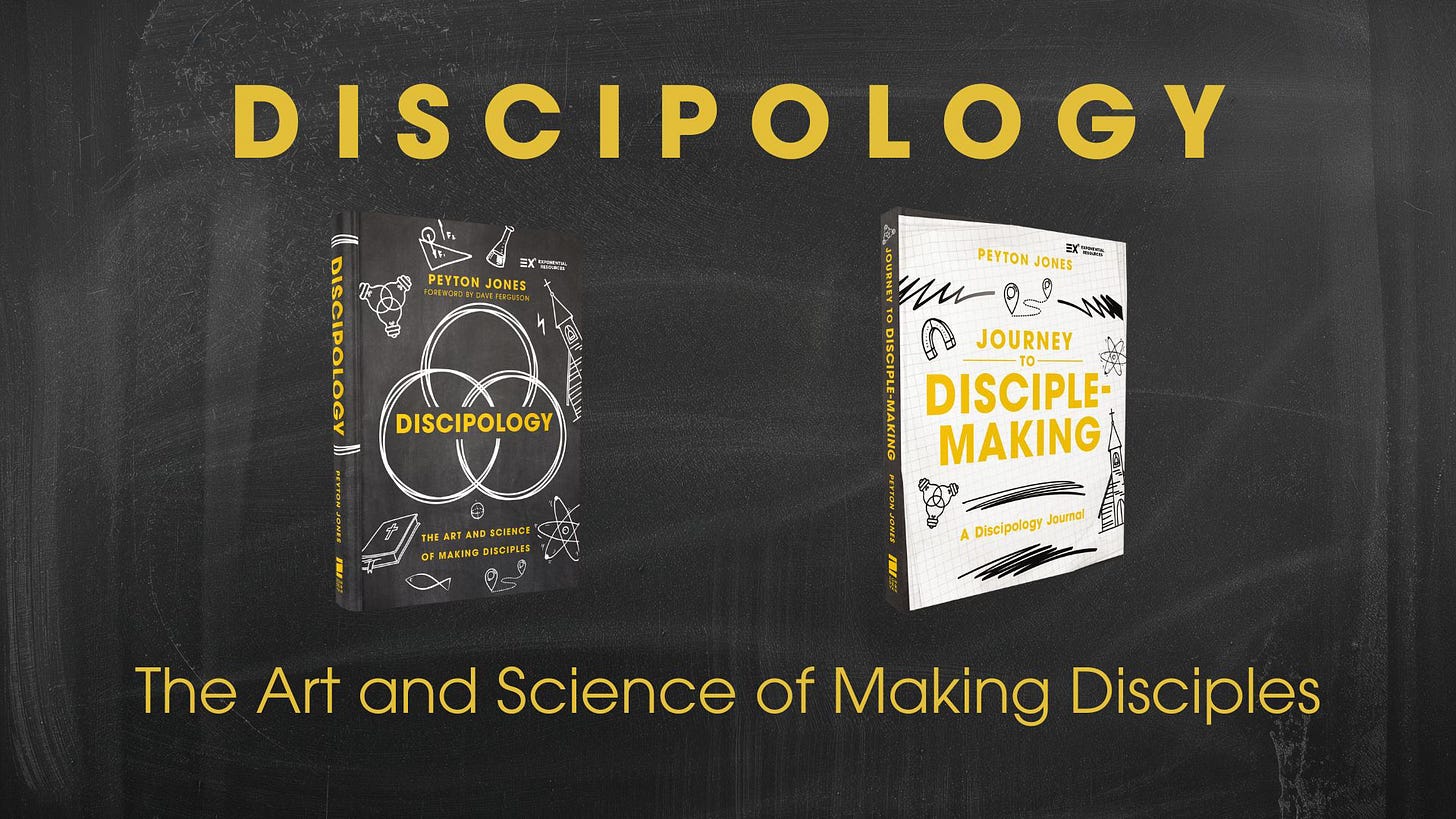
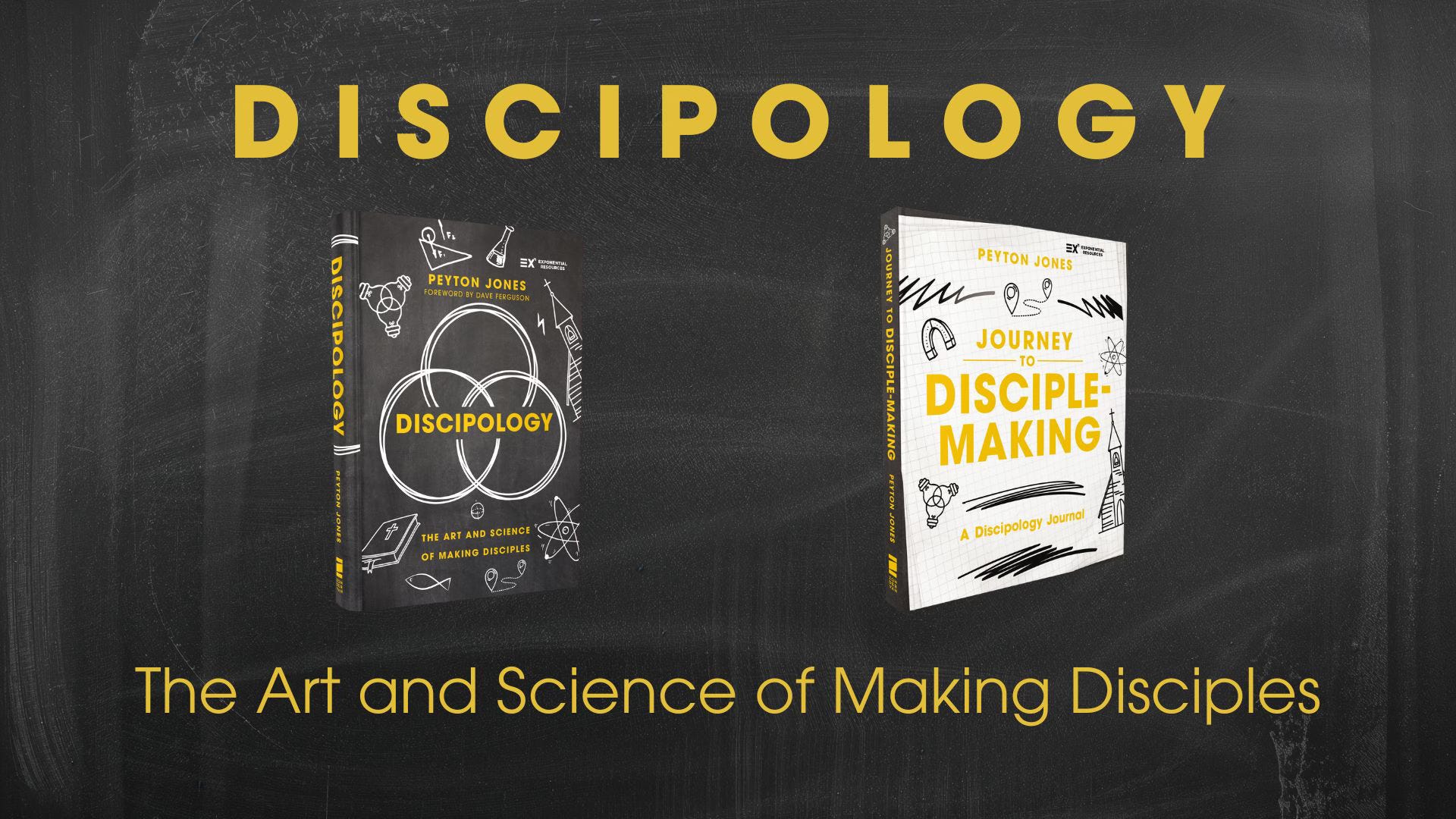
On March 26 at 7 PM Eastern Time (Canada and USA) we have a special Zoom meeting scheduled for you with my good friend Peyton Jones sharing about his new book Discipology being released on St. Patrick’s Day! We will abe giving away a free copy of the book during the meeting.
Register for the Zoom Meeting
https://us02web.zoom.us/meeting/register/xL8BMMQGQ_qLsKtUUitv-g
The harvest remains plentiful. May we be found faithful as labourers establishing the foundations the hour demands.
Discussion about this post